Sales Leadership · Change Leadership · Organizational Change Philippines
What sales leaders get wrong about leading their teams through change
Most sales transformations fail the day after the announcement. Not because the plan was wrong. Because the people weren't led through the change — they were managed around it.
Most sales leaders think change leadership means announcing a new target. Maybe a new CRM. A revised quota. A motivational all-hands. Then they wait for the team to get on board.
The real work starts the day after. In how the team responds when motivation drops, when a top performer quietly disengages, when the pipeline dries up and the emotions take over.
That gap, between announcing change and leading people through it, is where most sales transformations fail. And it is rarely a strategy problem.
The myth of the perfect playbook
Walk into any struggling sales transformation and you will find the same thing: a beautifully structured plan that nobody believes in.
The roadmap is sound. The tools are in place. The metrics are tracked. But the team is going through the motions, executing without conviction, hitting the numbers without heart.
Strategy without culture is theater. And culture is built or broken in the day-to-day behavior of leaders, in how they coach, how they respond under pressure, and how they show up when results are hard to come by.
Great change leadership does not begin with a better framework. It begins with a harder question: what is actually getting in the way of my people?
What we keep hearing from the field
In our recent focus groups with sales leaders across industries, the answers are almost never what leadership expects.
What sales teams are actually carrying right now
Stress levels are not slightly elevated. They are extreme.
Leaders in our sessions self-report stress at nine to eleven out of ten — not from market conditions, but from structural overload: multiple reports, tight deadlines, off-track projects, the anxiety of restructuring. High accountability with no real relief system. The risk is burnout, decision fatigue, and leaders defaulting to reactive behavior at the exact moments that require strategic thinking.
Cross-team friction is quietly eroding trust from the inside.
Sales teams rarely name the competitor as their biggest challenge. More often, it is the person in the next department. Silos, unclear accountability, misalignment between what is expected and what is actually delivered — these create blame cultures where passive aggression replaces collaboration. Trust between units declines slowly until it shows up in the numbers.
Psychological safety is more fragile than most leaders realize.
When we ask teams directly, the fear of being judged is real. People hesitate to give candid feedback. Generational gaps go unaddressed. Opinionated individuals create tension that nobody names in a meeting. The result is surface-level alignment that masks passive compliance. Teams appear to be on board. They are not.
The emotional toll of change is being carried silently.
When effort goes unrecognized, when reports are questioned repeatedly, when hard work does not translate into results — people do not just get frustrated. They withdraw. Our focus group data shows a consistent pattern: emotional investment without emotional return. Cynicism sets in. Initiative drops. The team remains physically present and emotionally gone.
High performance culture can become its own risk.
Income motivation is a powerful driver in sales. But when results become the only measure of identity, teams become fragile at exactly the moment they need to be strong. When targets are not met, identity collapses with them. The resilience strategy cannot be built on numbers alone.
The conversation most leaders skip
Before the new KPIs. Before the revised territories. Before the updated deck.
There is a conversation that determines whether any of it works.
It is the one where someone finally names the real obstacle. Not the market, not the product, not the competition. Something quieter. A belief that they have lost their edge. A fear that the shift to AI has made their instincts less valuable. A sense that leadership is reacting, not leading.
These conversations do not happen in all-hands meetings. They happen in one-on-ones, in the car after a lost deal, in the silence before a pipeline review.
Leaders who create space for them do not just retain talent. They unlock it.
This is where psychological safety stops being a cultural aspiration and becomes a performance variable. Amy Edmondson's research at Harvard showed that teams feeling safe enough to take interpersonal risks, to speak up, push back, admit uncertainty, consistently outperform teams that simply feel confident. In a sales environment already under structural pressure, the absence of that safety does not just silence feedback. It shuts down the adaptive capacity that teams need most during change.
A story worth understanding
From the field
A sales director at a mid-sized B2B company recently shared this. Her team had just absorbed a major restructuring — quotas up, territories redrawn, two senior reps gone.
Instead of launching a new performance push, she spent the first two weeks in individual conversations. Not reviews. Not coaching sessions with agendas. Just conversations about how people were actually feeling about the change.
What she found surprised her. The biggest issue was not the numbers. It was identity. Her reps did not know how to talk about themselves anymore in a world where buyers came in more informed, where AI was handling the top of the funnel, where the value of a seasoned rep felt less obvious than it used to.
She spent the next month helping her team rebuild their story. Not their pitch — their story. Who they were as salespeople. What they brought that no tool could replicate. What trust, experience, and judgment actually looked like in a complex sale.
By the end of the quarter, retention had stabilized. Two reps who had been flagged as flight risks had become the informal anchors of the team.
She did not change the strategy. She changed how her people saw themselves inside it.
This mirrors what we see consistently in our focus group work: despite the pressure, the anchors that keep sales teams together are deeply human. Income motivation, commitment to clients, personal growth goals, a sense of responsibility to each other. These are not soft variables. They are the load-bearing walls of a high-performing sales culture. Great change leaders know where those walls are.
What the leaders getting this right actually do
1
They name what is changing — and what is not.
Ambiguity is expensive. When leaders are vague about what is moving, teams fill the gap with anxiety. The change leaders who build trust during transformation are specific: here is what is different, here is what stays the same, here is what we are holding onto regardless. Our focus group data consistently points to lack of clarity in accountability as one of the leading sources of friction — not just frustration, but structural misalignment that becomes blame culture when things go wrong.
2
They treat disengagement as information.
When a top performer goes quiet, most leaders wait it out or push harder. The ones building resilient cultures get curious instead. Disengagement in sales teams is almost always rooted in unmet emotional needs — the need for recognition, the experience of putting everything in and feeling like nothing came back. A top performer who has gone quiet is not lazy. They are exhausted and unseen. The leader's job is to find out which one, and act on it.
3
They model the behavior before they ask for it.
You cannot ask a team to embrace uncertainty while projecting certainty you do not have. In our work with sales leaders, the skill gaps they name most often are not about sales strategy. They are about leadership presence — leading with clarity when clarity is hard to come by, and being honest about what they do not know while staying committed to what they are working toward. That combination, humility and direction together, is what earns trust during change. Not authority. Not the title on the org chart.
A culture change memo has never changed a culture. What changes it is the leader who goes first, visibly, before it is required.
The pain that sales teams carry most often — the stress, the friction between functions, the recognition gaps, the emotional exhaustion — these are not HR problems. They are leadership problems. And they have leadership solutions.
Sales transformations don't fail because of bad strategy. They fail because the people weren't led through the change — they were managed around it.
World Stage International
The Change Expert · Winning requires CHANGING
We work with sales leaders and organizations navigating complex change — building the people, culture, and leadership capability that real transformation requires. Our work includes NLP-based leadership development, team culture programs, and long-term organizational partnerships across the Philippines and Asia.
Book a discovery session
Featured Podcast
Listen to the Conversation
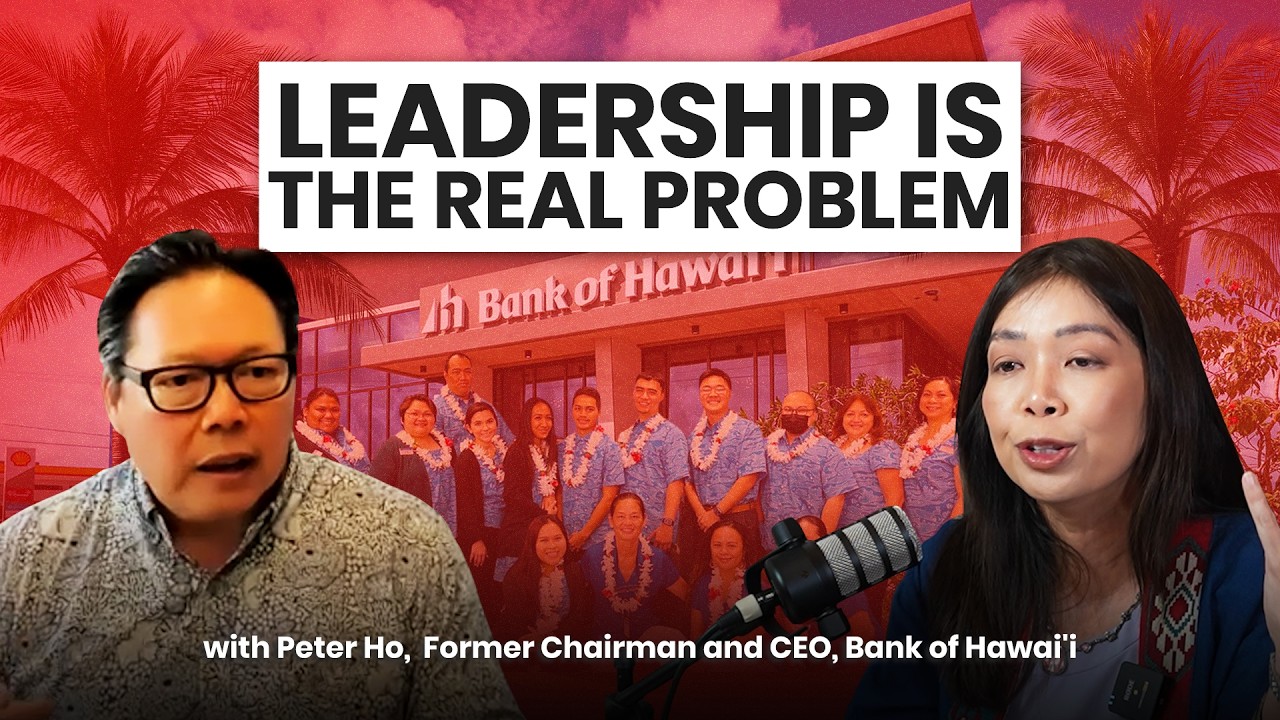
A deeper dive into what sales leaders get wrong about change — and what the field data actually shows about leading teams through transformation.
Watch on YouTube →
